Showing 21 - 28 of 28 results

How can I come to terms with my adoption?

I was adopted when I was two and a half years old, and I still have a lot of issues from it. I don't really like myself and at times; I feel like I don't know who I am. I never let myself become close to my adoptive family, and still feel uncomfortable and out of place around them. I don't have many friends. I isolate a lot and don't really trust people. I am always scared to make friends for fear that I won’t be accepted or liked. Growing up I often turned to drugs and alcohol to escape these feelings and to feel comfortable with myself. The problem now is that I am 22 and I have a two year old daughter. I feel like I need to get over this so I can be a good mother to her, and raise her to know and love herself. I feel lost, what can I do?


What does semen taste like?

1) I'm in a new relationship and would like to perform oral sex with my partner, but never have experienced my partner actually coming in my mouth. I know this sounds silly, but what does cum taste like and how much is there normally? From conversations I have had with my boyfriend, he would prefer me to "swallow." I'm just not sure I can do that, but would like to at least try, but I don't want to disappoint him by not knowing what to expect.

2) I am a 23-year-old vegetarian male, though I eat fish and milk products. I would like to know how I can improve the taste of my sperm, as my girlfriend greatly dislikes the taste. I am interested to know how diet and exercise can improve the taste. Your reply would be greatly appreciated, as this is a topic that is difficult to talk to health professionals about.


Are there concerns about only eating peanut butter?

I am a student who is a very picky and health-conscious eater and have grown tired of the food offered in the cafeteria. A good portion of my dietary consumption is in the form of natural peanut butter. I can sit and consume half of a jar in one sitting because I get so hungry and it is the only thing that really satisfies my hunger. Is this a bad thing, and if it is, how can I go about fixing it?


How long does mourning last?

I'm sorta new at this, but I'll give it a shot anyway. My dad died of a massive heart attack just over a year ago. I went through a pretty rough mourning period, but it didn't seem to last very long. My mom is still very much in mourning to this day. I guess my question is: How can you tell if you've mourned enough? And how can you tell if you're avoiding it?

They say the worst is over when the pain stops and the good memories start. But how do I know I didn't just skip to the good memories?


Why do people find fatty or sugary foods comforting?

Why do people find fatty or sugary foods comforting? I mean, what is it in these types of foods that causes the body / mind to see this type of food as comforting or pleasurable? Surely from the point of view of the body, it prefers foods that are high in nutrients — so why do people who turn to food for comfort always turn to fatty or sugary foods that don't offer the body anything? just wondering??? and I hope that made sense because I'm sorry it's quite badly worded!


Pride flag with stethoscope

Gender Affirming Care: Surgical

Gender-affirming care (GAC) is an umbrella term for health care that aims to help a transgender or gender diverse person’s body better align with their gender identity. You might seek out GAC if you experience gender incongruence—when the gender you identify with conflicts with the sex you were assigned at birth. There are many different forms of GAC, including both lifestyle changes and medical interventions. The World Professional Association for Transgender Health (WPATH)—the organization often recognized as the gold standard for GAC— outline guiding recommendations for GAC. Additionally, it’s helpful to keep in mind that medical transition isn’t necessary to identify as transgender or gender diverse.

View Resource Gender Affirming Care: Surgical
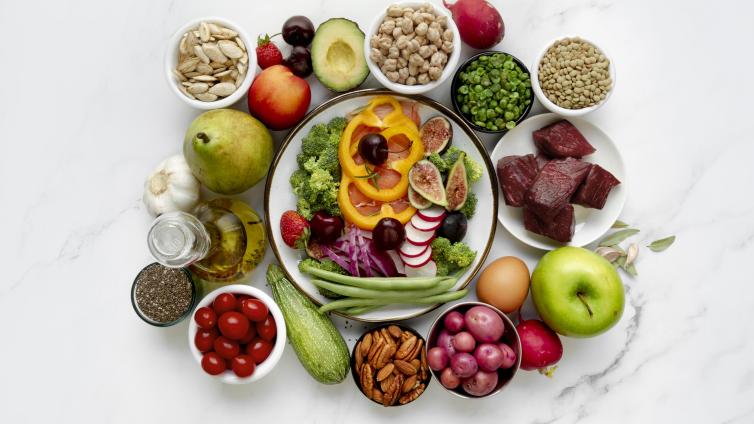
Variety of foods

Nutrition 101

Macronutrients are the nutrients that the body needs in large amounts. These nutrients are important in providing the body with the energy it needs to function. Micronutrients are vitamins and minerals that the body needs in smaller amounts. It’s necessary to find ways to consume macro- and micro-nutrients through what you eat, given that the body can’t naturally produce these nutrients itself. The amount of macro- and micro-nutrients in each food differs, so it’s recommended to consume a diverse diet in order to meet all of your nutritional needs. 

View Resource Nutrition 101